Exploring Montevideo and the Laid-Back Beach Towns of Uruguay:
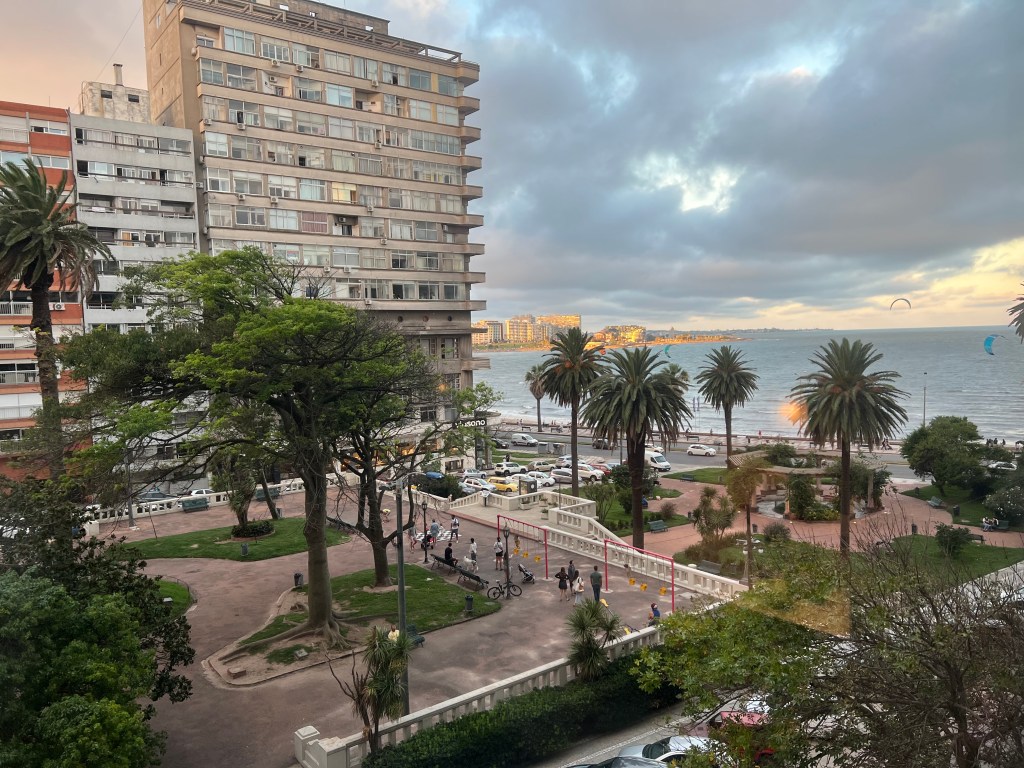
I’m in Montevideo, standing outside our boutique hotel in Pocitos, a fashionable beachfront neighborhood lined with modern condos. We’re negotiating a return time for the bikes we’ve rented.
The owner of Orange Bike, who has dropped them off personally, simply shrugs.
“Just text me when you’re done.”
Wait—what? No credit card? No deposit? How can that be?
We soon discover that this is simply how things go in Uruguay. No pasa nada -“It’s all good” – is an attitude that comes to embody our trip through South America’s most laid-back country.

With its elegant capital, wind-swept beaches and enchanting beach towns, Uruguay is a hidden gem. In the 1930s, it’s capital, Montevideo became an epicenter of European culture and finance as many Spanish, Italians and French fled the war in Europe.

I’m here because my grandparents left Germany in 1936 and got married on the steps of the old courthouse in Montevideo. They joined thousands of other European immigrants fleeing before the outbreak of World War II. Because of this migration and Spain’s decimation of indigenous people in the 1800s, Uruguay’s population is 80 percent European descent. The country still has only about 3.5 million total with 2 million living in and around Montevideo. Even the cattle outnumber them at 8 million!
It’s a beautiful Sunday morning, and we steer our bikes onto the famous La Rambla, a 14-mile long pedestrian waterfront promenade that rings the city. The street is closed to traffic on Sundays, so we join the throng of locals walking, biking, skating, fishing, playing tennis, soccer or just sitting in circles enjoying their mate (tea) ritual.
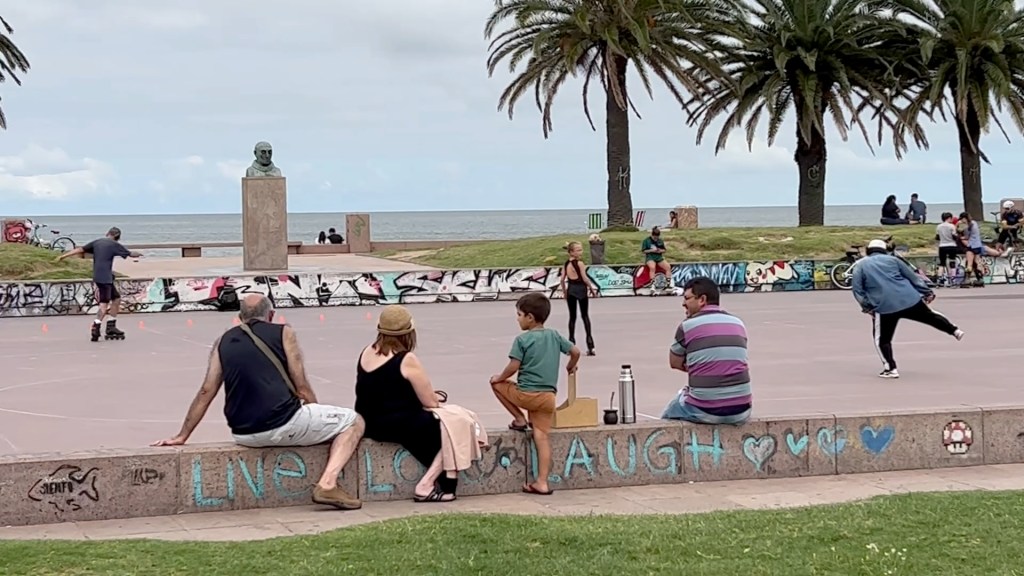
For the record, Montevideo is not on the ocean.
“It’s a RIVER!” our guide repeats several times during our tour the next day, as if she’d just had it with people mistaking the famous Río de la Plata for the ocean.

And what a river it is. Widely regarded as the world’s widest, it stretches some 140 miles across in some spots. The brackish water is a muddy brown color.

Just like Portugal with Spain, Uruguay suffers a bit of an underdog complex to its southern, larger neighbor, Argentina. Much of Uruguay is owned by rich Argentinians who, because their economy is always in crisis, buy all the property. Uruguay has excellent financials and a super stable currency and is considered the Switzerland of South America.
As Americans, the dollar buys you a lot, with meals about 50 percent cheaper than at home. A grass-fed ribeye and a great bottle of wine will set you back about $25 at a fancy restaurant.

Montevideo has gorgeous wide avenues and art deco buildings that speak of a bygone era. We bike to the old town and find the famous lunch spot, Es Mercat, where we dine on delicious Italian bread and local fish while being serenaded by a troupe of passing musicians.
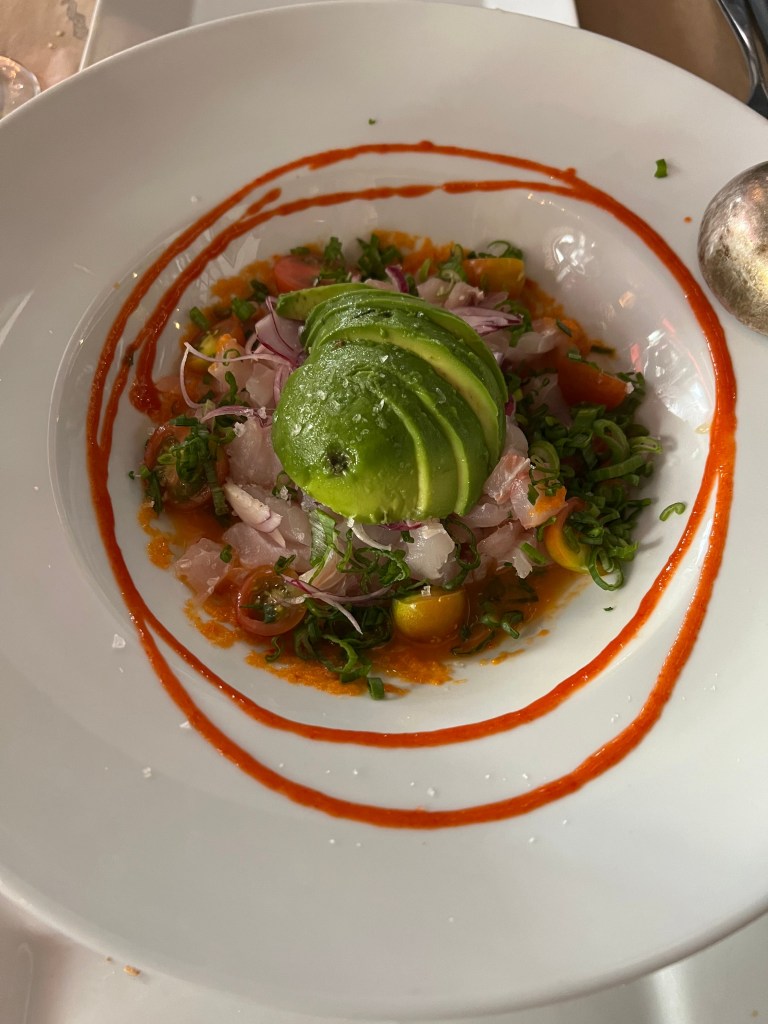
Meals in Uruguay are serious business, and we struggle to adjust to late lunches and dinners. “We eat dinner at 11 pm,” says José, another one of our guides. I confess I didn’t know how they manage it. “That’s why we have our (yerba) mate!” he exclaims, referring to the local tea brewed and sipped throughout the day from a straw in a cut-out gourd.

José is giving us a tour of Colonia del Sacramento, a UNESCO World Heritage town founded by the Portuguese. About two hours west of Montevideo, it’s a must-see if you’re into history.


We learn from José how the Portuguese and Spanish fought constantly for control over Uruguay but the Uruguayans wouldn’t take orders from either one, so eventually they both gave up and left the country to run itself.
José also tells us that voting is compulsory in Uruguay, and elections are generally held on Sundays, and that many families urge their kids to keep their electoral registration in their hometowns so they have to travel back there to vote.
“It’s like a family reunion, going back to town, there are huge parties in the square and seeing everyone in your family and all your old school buddies and the new generations,” he says then laughs. “You don’t say no to your parents!”
The next day, we drive several hours east along the coast to the Atlantic beaches, stopping here and there to take pictures. We don’t see many people.

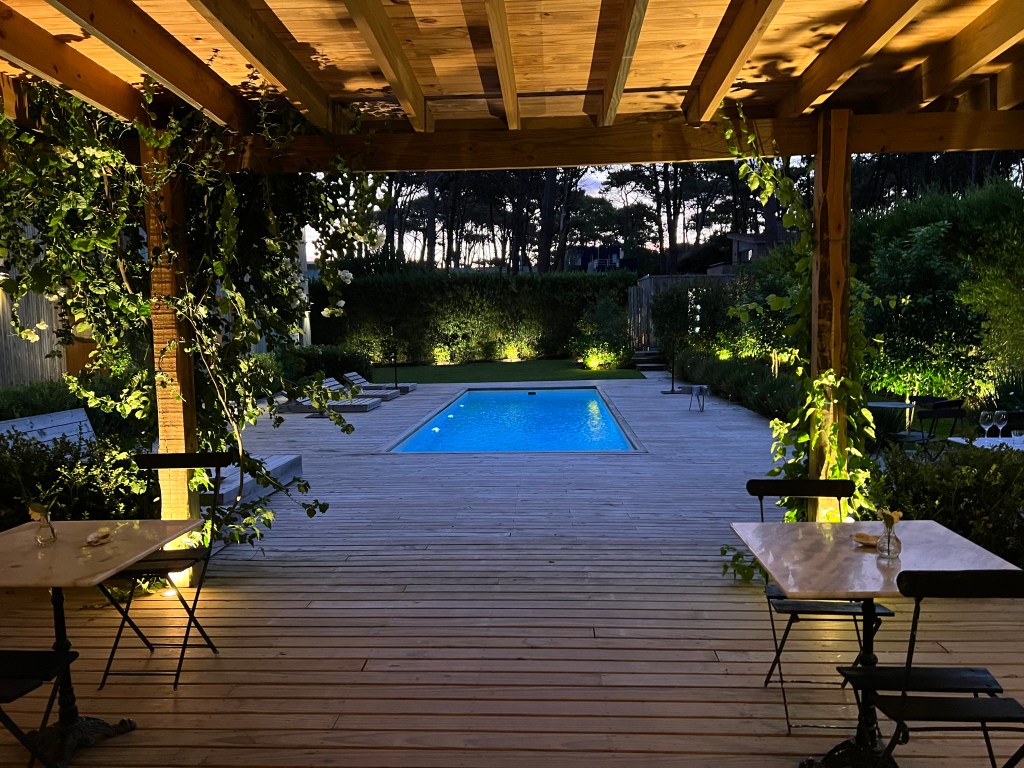
For the next four days, we are staying at the boutique hotel, Casa Flor, just outside La Barra, where the owners, Alfonso and Juan, could rival any five-star hotel concierge team for elegant service and helpful itinerary suggestions.
Casa Flor feels like you are just a family friend visiting their Hampton’s beach house fresh out of Architectural Digest where guests enjoy fresh orange juice and made-to-order breakfast overlooking the pool surrounded by orange trees.

When we arrive, it’s Monday night, and Alfonso greets us but shakes his head fretfully. He can’t send us to his favorite restaurant because its closed. Apparently the entire country is “recovering” from Carnival.

The next morning, fulled by our coffee in our room, we walk into town—and everything is closed. Back at the hotel, I ask Alfonso about it.
He laughs and says, “It’s Uruguay. Nobody is up yet.”
I look at my watch. It’s just past noon.
We spent the next week exploring the beach towns of Punta del Este, Punta Ballena, La Paloma, La Pedrera and the most famous town of all, José Ignacio.


Each town has a very different personality. While they all have the requisite main square, some have better restaurants or more shopping. The one thing they all have in common is gorgeous, uninterrupted beaches that are free for all to enjoy. Move over, Brazil!

José Ignacio, enclave of the rich and famous, is deceptively laid-back. We drive in, and my first impression is: Wow, what a dump! The town’s sandy dirt roads are lined with ramshackle buildings and clapboard restaurants displaying chalkboard menus between overgrown shrubs. Bikini-clad bodies sashay down the road. Many of the fancy hotels are hidden from sight by design. The rough-hewn look is intentional to preserve the village’s low-key character.


On the way back from Jose Ignacio we detoured to Laguna De Rocha, a UNESCO Biosphere where we encountered no one else. By now, I am not surprised.


Back at Casa Flor, Alfonso tells us he tried his best to get us a reservation for lunch tomorrow at the famous Garzon winery. He shakes his head. “They have been difficult all season. Nobody answers the phone!“
We decide to drop in and visit anyway by taking a long and dusty road through the mountains. On the way there, we literally stumbled upon an incredible outdoor art museum, Fundación Pablo Atchugarry, named after the famous sculpture.

Wandering through the manicured fields, there are multiple paths with over 70 outdoors sculptures from artists around the world. It is a feast for the eyes, rare and beautiful art set against the rolling hillside. And it’s free for everyone!

Back on the road, we encounter some cute horses.


Eventually we get to Garzon. We can’t do a wine tasting but, in the shop, I examine some olive oil and ask a clerk if it was made on site. He ushers me enthusiastically onto the nearby balcony overlooking the valley and points to a corner where the olive groves were located. We buy some olive oil and wine to enjoy at home which turned out to be delicious!

These personal encounters happened over and over throughout our trip. Uruguayans are warm people with great smiles and a chill demeanor which makes them more subdue than their Argentinian and Brazilian counterparts. Their genuine kindness speaks to a country that values its people and embodies all the good things in life.
The wonderful climate, the fantastic food and laid-back vibe all made for an unforgettable trip. I can see why my grandparents decided to tie the knot here. Uruguay has certainly earned a place in our hearts.
¡Claro que sí!

Lillian Martin is a Senior Travel Advisor at Reece Worldwide Travel. To book your next trip, click here.
Read more of Lillian’s travel stories here: https://wheretowandernext.com/all-blog-posts/
Leave a Reply